Daily Puppy Training Schedule: Simple 3-Part Day Plan
What’s a good daily puppy training schedule?
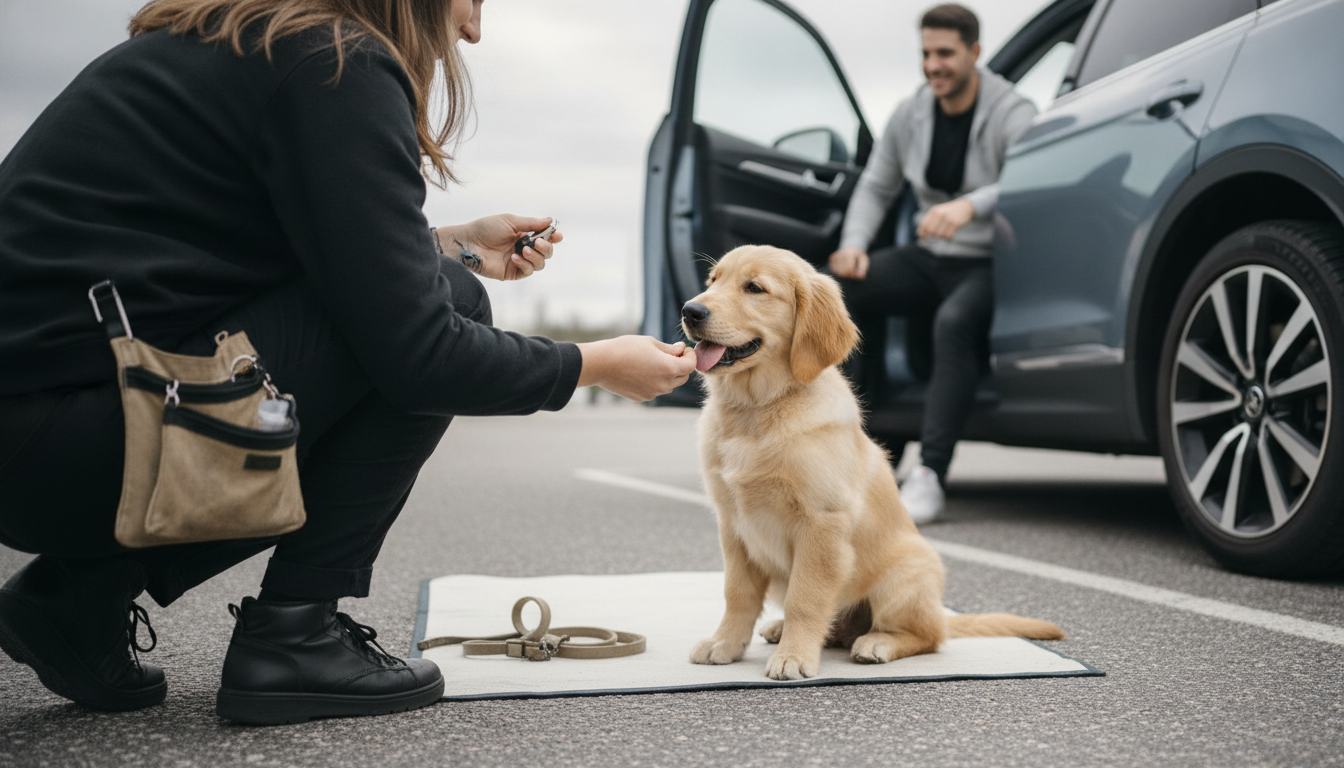
A good daily puppy training schedule is built around short, frequent lessons that fit your puppy’s age, energy, and bathroom needs. Most puppies learn best with 3–6 mini sessions per day (about 2–5 minutes each), plus lots of quick “real-life” practice during walks, meals, and play.
A simple day plan that works for most puppies
Morning (wake-up to mid-morning)
Start with a potty break immediately after waking. Follow with breakfast, then a 2–3 minute training session using part of the meal (sit, name response, hand target). After a short play burst, head out for another potty break and a brief calm period (crate or pen) to prevent overtired zoomies.
Midday (late morning to afternoon)
Repeat the rhythm: potty, short training, play, rest. Midday is ideal for leash skills in low-distraction areas—practice “let’s go,” checking in, and rewarding loose-leash steps. Keep sessions upbeat and stop while your puppy is still winning. If your puppy is teething, swap in gentle handling practice (touch paws/ears, reward calm) and chew time after.
Evening (after work/school)
Evening is often higher energy, so plan for structured outlets: a short training session before dinner (down, stay for 1 second, drop it), then dinner, then a decompression walk or sniff session. Add one more tiny session focusing on manners around excitement (wait at doors, four paws on the floor for greetings). End the night with a calm wind-down routine and a final potty trip.
What to train each day (without overloading your puppy)
Pick 1–2 focus skills per day and rotate: potty routine, crate comfort, name + recall, leash basics, calm settling, and gentle handling. Use frequent rewards, avoid long drills, and treat mistakes as information—reduce distractions and try again.
For a more detailed breakdown and age-based tips, visit this daily puppy training schedule guide.
FAQ
How many minutes should a puppy train each day?
Most puppies do best with 10–20 total minutes of formal training split into several 2–5 minute sessions. Add quick 10–30 second practice moments throughout the day for faster progress.









Leave a comment